Overview
The School of Food Technology and Natural Sciences is committed to supporting New Zealand’s export-driven growth based on high-value products, processes and technologies related to our bio-economy. We also seek new insights and discoveries in the scientific and technological worlds.
Our teaching builds capability in food and the fundamental sciences of chemistry and biology. Our internationally-recognised researchers apply their skills to solve the worlds biggest challenges.
Our interdisciplinary approach to research involves national and international collaborations. We enthusiastically mentor the next generation of scientists to think critically and creatively to tackle big issues through applied approaches and blue-sky research.
Te Tiriti o Waitangi at Massey
We are deeply committed to being a Tiriti-led university, demonstrating authentic leadership in contemporary Aotearoa New Zealand as we uphold te Tiriti o Waitangi, the founding document of our nation, and its principles through our practice. We embrace this not just as an obligation but as a real opportunity for the nation and its people.
Te Tiriti o Waitangi ki Te Kunenga ki Pūrehuroa – The Treaty of Waitangi at Massey
Study with us
Choose from a range of qualifications in food science and food technology, including postgraduate study options such as food safety, quality systems or supply chain management.
Scholarships available for first-year food technology students
Explore by area of interest
Explore a selection of qualifications relating to your interests.
Study food & nutrition
Get the most out of food. The most flavour. The best nutrition. Safe and efficient production processes. Learn from world-class lecturers and researchers.
Study biological & natural sciences
Devise new ideas and technologies for agribusiness, biotechnology, conservation, energy or healthcare. World-class lecturers. Learn more today.
Study natural environment
Study at Massey to create a sustainable future for the planet and its people, plants and creatures. Discover your study options today.
Who we are
Our people make us who we are. Meet senior leaders in the School of Food Technology and Natural Sciences.
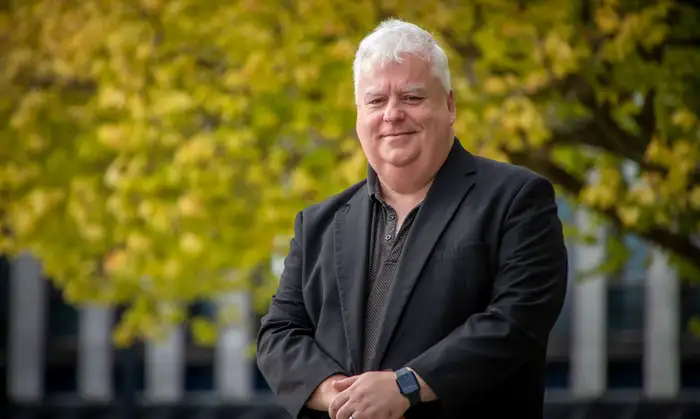
Professor Jamie Quinton
Jamie Quinton's research interests include nanotechnology, physics and materials engineering – and he holds two patents. He joined Massey in 2022 after 18 years at Flinders University in Adelaide, where he won awards for lecturer of the year and a national teaching citation. Jamie is a Fellow of the Australian Institutes of Physics and a member of the British Institute of Physics.


Associate Professor Evelyn Sattlegger



Professor Joanne Hort
Director of Food Experience and Sensory Testing Laboratory (Feast)
Joanne is particularly interested in individual differences in sensory perception across different cultures (markets) and life stages particularly in the area of taste and texture. She is also examining the impact of context on both the sensory and emotional response to food and how to measure it.
Accreditations and rankings
Institute of Food Technologist (IFT) accreditation
Both majors of the BFoodTech (Hons) are approved by the US-based Institute of Food Technologists (IFT).

ShanghaiRanking - Food science and technology
Massey University is ranked as one of the top 75 universities worldwide for Food Science and Technology (out of 300) by ShanghaiRanking.
QS Ranking - Biological Sciences
Massey University is ranked by QS (Quacquarelli Symonds) as one of the top 450 universities in the world for biological sciences.
QS Ranking - Chemistry
Massey University is ranked by QS (Quacquarelli Symonds) as one of the top 500 universities in the world for chemistry.
Research
Our staff and students carry out interdisciplinary research at the frontiers of our disciplines. We have extensive international collaborations and an impressive history of commercialising our results.
Our researchers win grants and other funding from prestigious sources such as the Royal Society of New Zealand's Marsden Fund Te Pūtea Rangahau and the Ministry of Business, Innovation and Enterprise (MBIE) for applied research.
Learn about the Marsden Fund
Learn about the Ministry of Business, Innovation and Enterprise
Consultancy
We often carry out research for partners outside Massey or work with stakeholders on certain topics or as part of long-term relationships. Our consultancy makes the most of expertise from within the School and around the university, offering fresh thinking.
Research themes
Food
Our research includes animal nutrition, food biosciences, food materials, food processing, and human nutrition.
Biology
Our research includes biochemistry, evolution, genetics and genomics, microbiology, and the biological basis of disease.
Chemistry
Climate change, energy sources, medicines and technologies all rely on new materials and molecules. These will be developed by chemists and nanoscientists.
Environment
We focus on understanding and creating a sustainable future for the unique flora, fauna and land of Aotearoa New Zealand. Our research includes biodiversity, ecosystem health, ecological genetics, and zoology.
Research teams and projects
Examples of how our people create and share new knowledge.
Food Experience and Sensory Testing Laboratory (Feast)
Feast is Massey's Food Experience and Sensory Testing Laboratory. Facilities include:
- mixed/virtual reality suite to mimic settings such as cafes or hospital wards
- sensory booths
- testing rooms for tasting panels of consumers or experts.
Students can learn and practice in the laboratory.
Does intra-nuclear aggregation of HDAC4 promote neuronal dysfunction?
Abnormal accumulation of HDAC4 protein in the nuclei of nerve cells has been implicated in neurodevelopmental and neurodegenerative disorders. In our Drosophila (fruit fly) model system, excess levels of HDAC4 also impair neuronal development and memory.
This HDAC4 accumulation in nuclei results in the formation of protein aggregates, but it is unknown how they contribute to disease. We will determine the protein composition of the aggregates and will investigate their role in neuronal dysfunction in our Drosophila model.
Enhancing legume nitrogen fixation to reduce fertiliser use
Nitrogen fertiliser supports plant growth effectively, but it strongly inhibits nitrogen-fixation by clovers and therefore abolishes this natural source of nitrogen traditionally utilised by farmers.
“We have discovered a trait in the legume Medicago in which this nitrogen-fixation inhibition process is disrupted," says Associate Professor Dijkwel. "Transfer of this trait to clover will greatly reduce fertiliser use because clover uses less fertiliser, while continuing to enrich the pasture with fixed nitrogen. Our discovery of a Medicago truncatula plant line resistant to inhibition of nitrogen-fixation is ground-breaking.”
Research centres
Our research centres seek innovative solutions to contemporary issues.
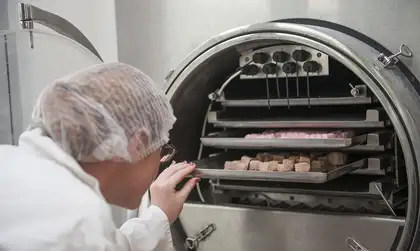
FoodPILOT
Learn to create and test food and nutrition products, using industrial-standard processing equipment such as:
- extruders
- high-pressure processors
- pasteurising equipment
- sterilisation equipment.
Businesses from boutique makers to exporters use FoodPILOT to turn ideas into reality.
Location: Manawatū campus
Opportunities for students
Projects with industry
Students in the final year of the Bachelor of Engineering with Honours or Bachelor of Food Technology with Honours work on real-world projects with businesses in the food industry.
Study with Massey in China or Singapore
Massey offers its Bachelor of Food Technology with Honours (Food Product Technology) at the Singapore Institute of Technology.
Bachelor of Food Technology with Honours (Food Product Technology)
Massey and China's Jiangnan University offer a joint degree in food science and technology. Study for three years at Jiangnan then switch to Massey’s Manawatū campus for the research-intensive fourth year. Graduates will be awarded Jiangnan's Bachelor of Food Science and Engineering and Massey's
Meet our food graduates
“As I got closer to the end of my degree, I found that everything I had learnt throughout the four years was very practical and applicable in the food industry. And I am proud to say, that after all my hard work, I’ve got a job that I wanted to do.”
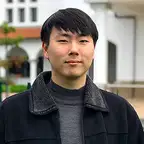
“Being a foodie, I’ve always wanted to try new foods and beverages. I was curious about these were developed and made. This provided a perfect path. I worked on product development projects, from prototypes to launching to market, and gained knowledge in processing technologies and engineering.”
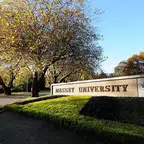
“Studying at Massey has been an invaluable experience for me. It provided a strong foundation, extended my knowledge, and was an excellent gateway to securing my dream job. I am extremely fortunate to have been taught and supervised by world-class academicians who provided excellent guidance and supp”
Services and facilities
We use a wide range of first-class facilities in our teaching and research. Massey carries out research for or with businesses and other organisations.
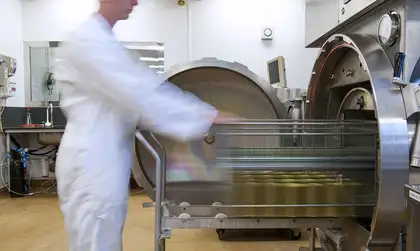
Food Innovation for business development
FoodPilot's Food Innovation offers advice, consultancy or commissioned research in any area of food science, food technology or the business of food. With extensive food industry experience, we can help with everything from brainstorming concepts to small production trials.
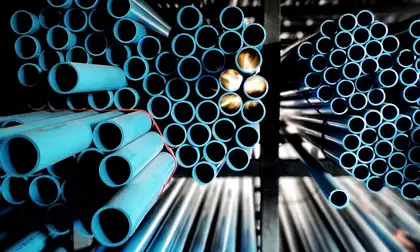
Destructive and non-destructive testing
We have expertise in testing for yield and tensile strength of a range of materials, using destructive and non-destructive methods. Our equipment include a tensilometer and scanning electron microscopes.
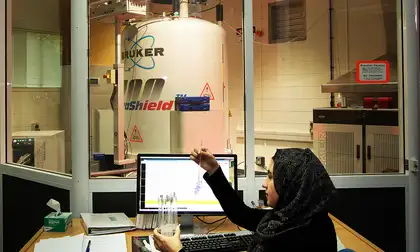
Nuclear Magnetic Resonance (NMR) Laboratory
Equipment in this laboratory includes:
- 700 MHz spectrometer with a cryogenically-cooled probe; 60-place sample changer and autotune and match module for high throughput
- 500 MHz spectrometer
- 400 MHz spectrometer
- 200 MHz horizontal widebore spectrometer, with high resolution imaging capabilities.
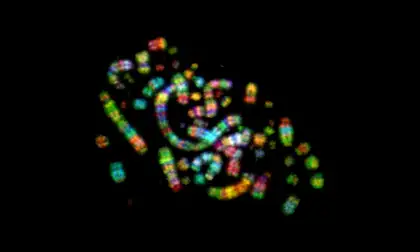
Massey laboratories
State-of-the-art laboratories and equipment include:
- nuclear magnetic resonance lab
- optical lab with optical tweezers, light scattering, and spectrometers
- PC2-certified lab for molecular biology, protein expression and purification
- solar cell construction and testing facilities
- X-ray diffraction lab.
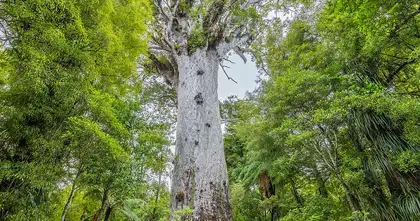
Ampersand Technologies
DNA testing and test development services with a focus on agricultural, horticultural, and environmental applications. We use new DNA diagnostic technologies to deliver fast and accurate testing to our clients.
Translational Medical Research Laboratory
Our IANZ-accredited research/diagnostic laboratory specialises in DNA testing for malignant hyperthermia and other RYR1-myopathies. We work closely with consultant anaesthetists at Palmerston North hospital and other specialists in Australasia.
Director: Professor Kathryn Stowell
Marine Pathology Laboratory
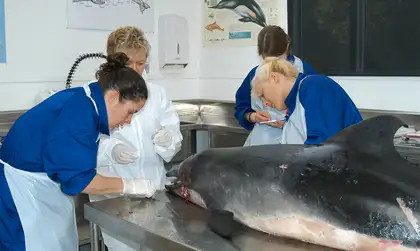
Our specialised post-mortem facility assesses the life history, diet and causes of death in:
- dolphins
- small whales and sharks — up to 3m long
- seals and stingrays
- penguins and other seabirds.
Includes a walk-in -20°C freezer, +4°C chiller and vented specimen/chemical storage bunker.
Location: Auckland campus
Nutrition Laboratory
Massey's Nutrition Laboratory specialises in analysing food, plant and animal products through research and testing.
Manawatū Microscopy & Imaging Centre
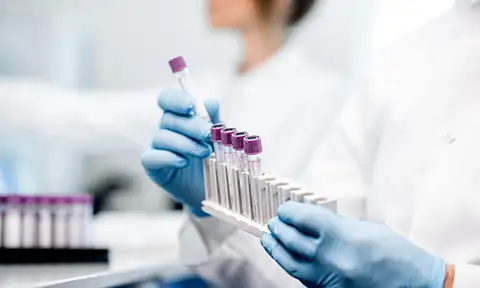
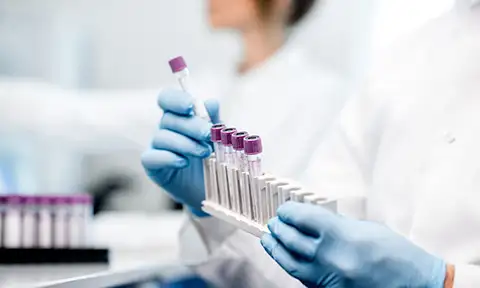
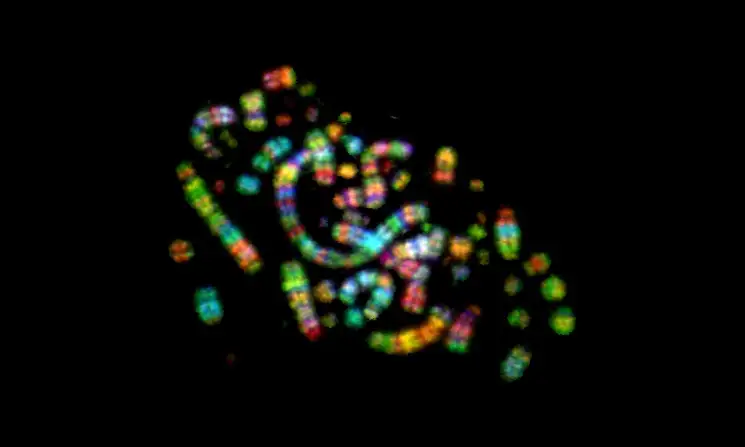
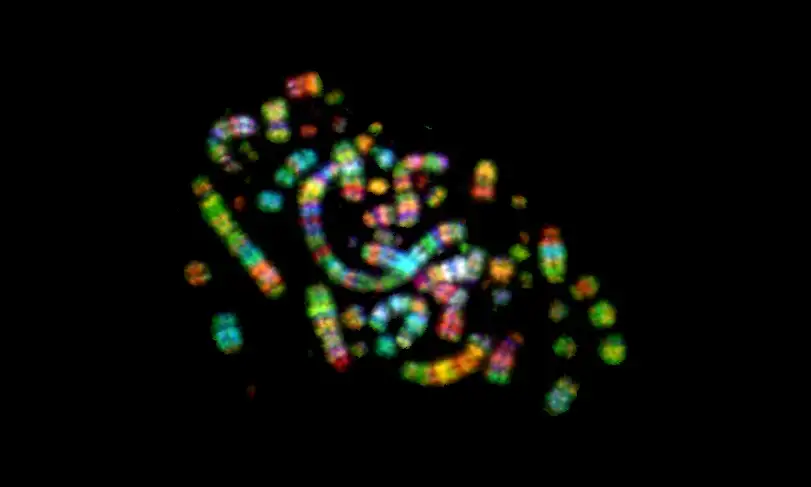
The facilities in the Manawatū Microscopy and Imaging Centre in Palmerston North can be booked for use.
Massey Genome Service
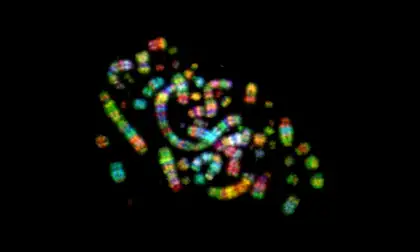
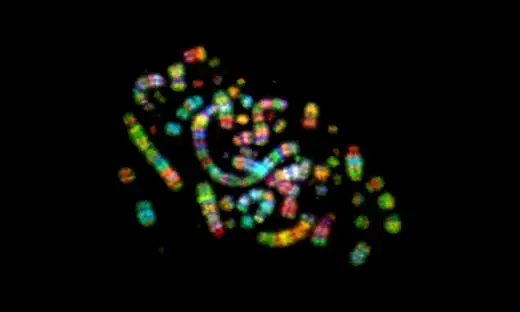
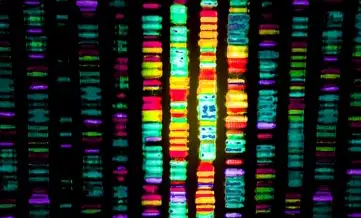
Our lab provides sequencing services to New Zealand researchers and students, including analysis of genomic DNA, genotyping, RNA and ABI sequencing.
Contact the School of Food Technology and Natural Sciences
School of Food Technology and Natural Sciences
- Location
Use our Manawatū campus maps or find us on Google Maps.
Social media
Connect with the School of Food Technology and Natural Sciences on: